
Interconnection Gateway architecture
Architecture Overview
Connectivity between the Service Provider's network and Zequenze's cloud-based platforms is established through a fully redundant VPN connection architecture.
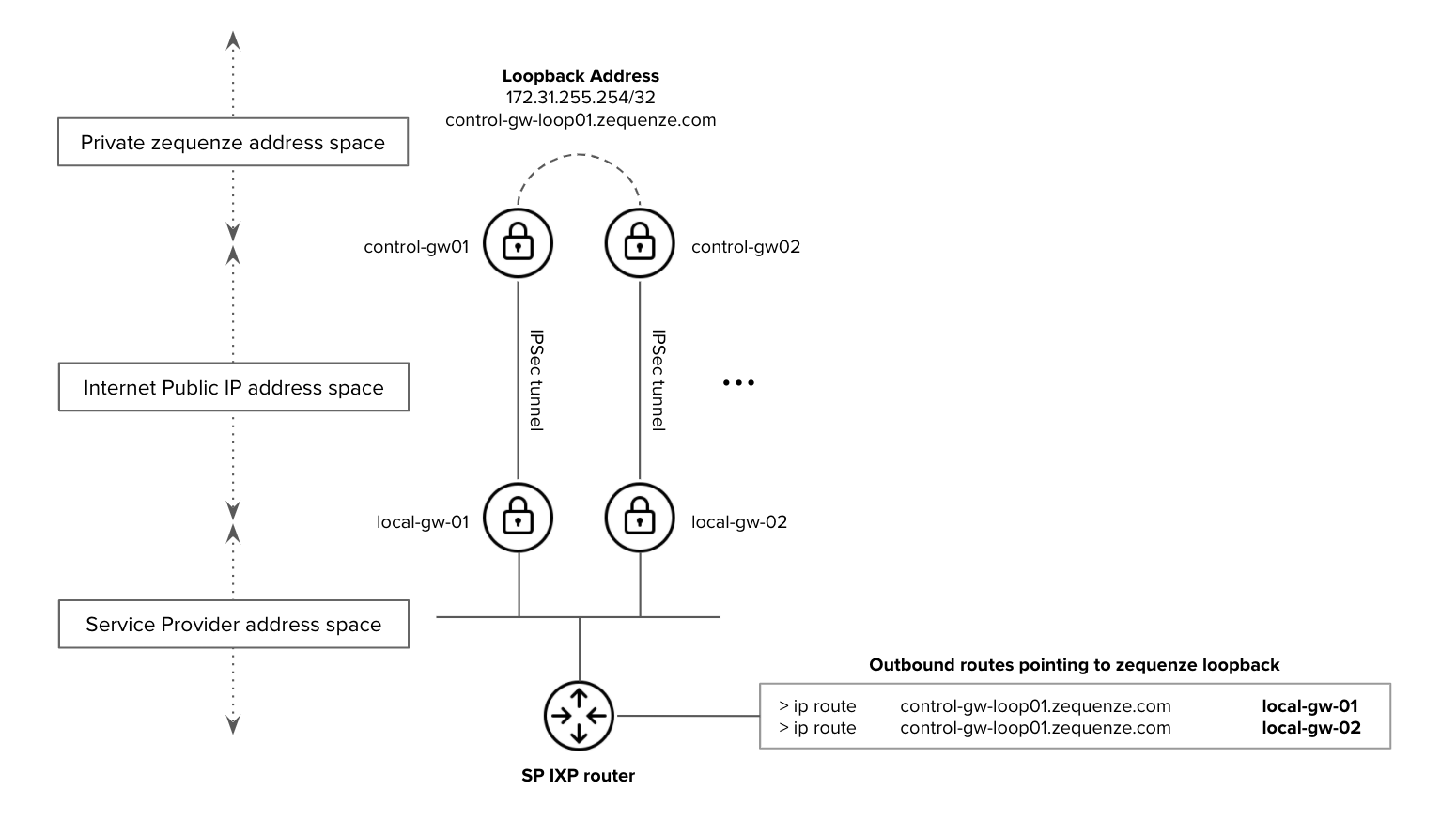
Figure 1. Zequenze Application-VPN architecture - interconnection with the Service Provider network
Distributed Gateway Architecture
Zequenze's cloud architecture implements a distributed application model that integrates both VPN and edge-application functionalities within the same gateway infrastructure. This design eliminates the need to propagate Service Provider IP prefixes throughout Zequenze's cloud infrastructure.
Device Configuration
Service Providers need to configure their customer premises equipment (CPE) to communicate with the edge-application gateways. Supported device types include:
- WiFi Access Points
- DSL modems
- FTTH ONT (Optical Network Terminals)
- eMTA (embedded Multimedia Terminal Adapters)
- LTE/5G routers
Once devices are pointed to the edge-application gateways, all internal communications within Zequenze's cloud architecture are handled automatically.
Simplified Routing Configuration
To maximize simplicity and resiliency, Service Provider devices only need to be configured with a single loopback FQDN/IP address. This loopback address remains active across all edge-application gateways in the array.
Example: control-gw-loop01.zequenze.com (as shown in Figure 1)
Service Provider Requirements
From a routing perspective, the Service Provider must ensure:
- IP reachability to the loopback FQDN/IP address from their border/IXP peering router
- Proper route advertisement as detailed in Figure 1
Resiliency and High Availability
Active-Active Gateway Operation
All edge-application gateways operate in always-active mode (1:1 or 1:N configurations). This allows traffic to be routed to any edge-application gateway in the array at any time without service interruption.
Traffic Flow Management
All responses from Zequenze to the Service Provider are sent through the same edge-application gateway that received the initial request. This approach ensures:
- Compatibility with active-standby scenarios within the Service Provider's network
- Prevention of asymmetric traffic routing issues
Failure Handling
Service Providers must implement proper failure detection mechanisms to prevent traffic black-holes in their VPN gateways when connectivity issues occur with Zequenze edge-application gateways.
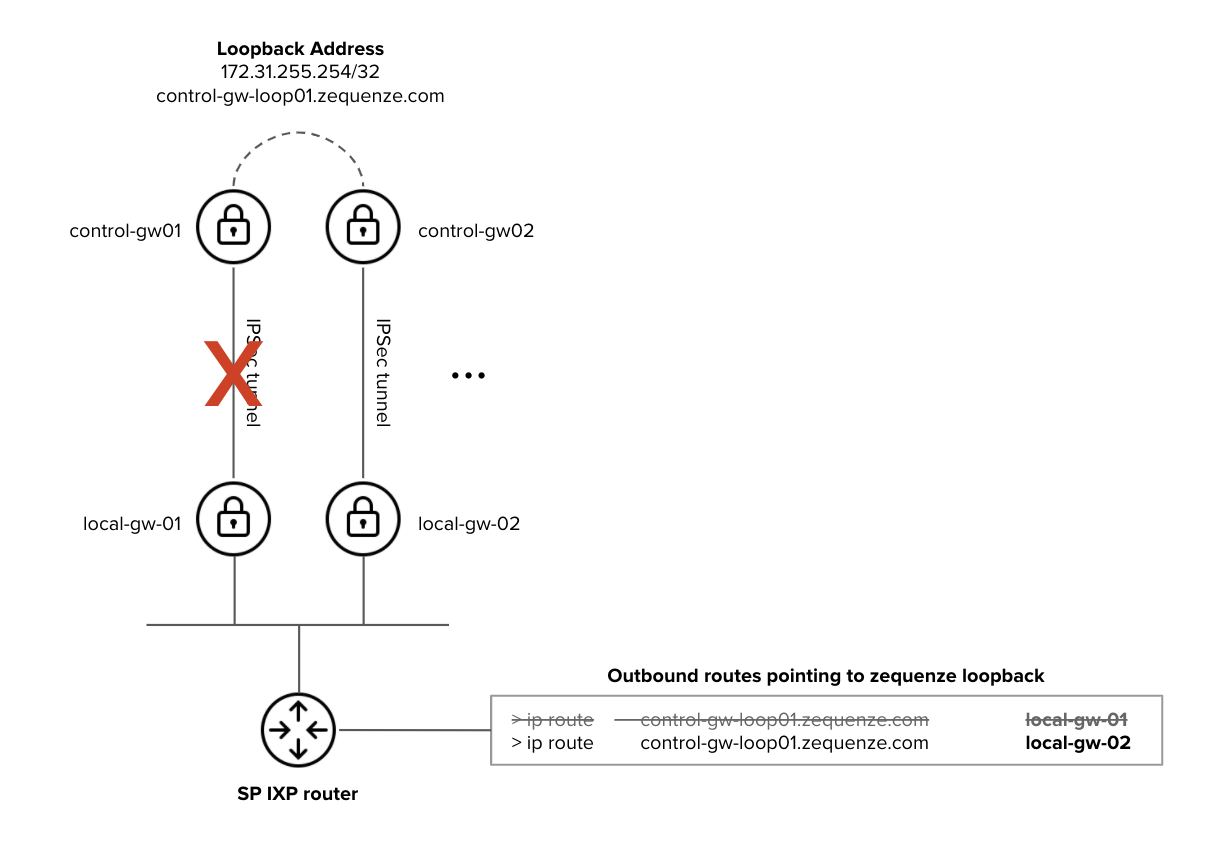
Figure 2. Zequenze Application-VPN architecture - High Availability considerations
Failure Scenario Example
In the failure scenario illustrated in Figure 2:
- The SP IXP router must be notified that the Zequenze edge-application gateway (
control-gw-loop01.zequenze.com) is no longer reachable vialocal-gw-01 - Traffic must be automatically redirected to
local-gw-02to maintain service continuity
This requires proper routing protocol configuration or health-check mechanisms on the Service Provider's infrastructure to detect and respond to gateway failures.
No comments to display
No comments to display